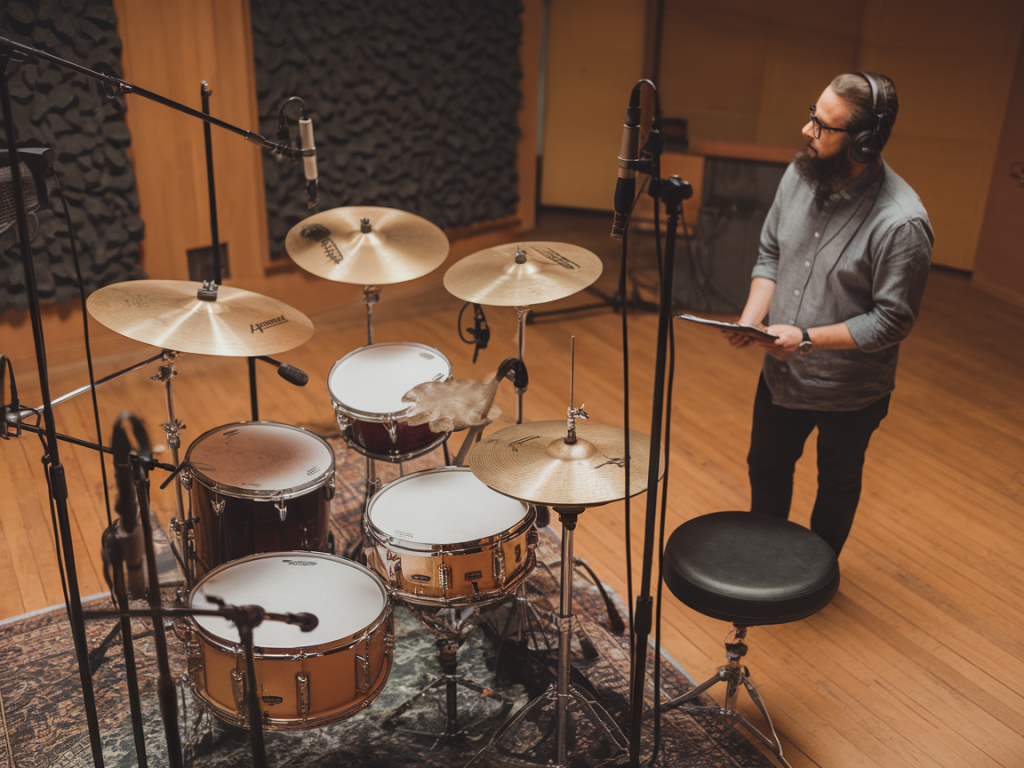
Hiring an engineer for a drum tracking session can make or break your drum sound. Over the years I’ve tracked in everything from home studios to high-end rooms, and one thing is constant: clear expectations and the right questions up front save time, money, and headaches. Below is the checklist I use whenever I’m hiring or interviewing an engineer — whether I’m the drummer, producer, or session lead. Use it to assess technical skill, workflow, tone preferences, and how well you’ll collaborate in the studio.
Session basics and availability
Start simple. I want to know logistics first so I can plan rehearsals, transport, and any equipment I need to bring.
Are you available on the proposed recording dates and do you handle booking or is that done through the studio?How many hours do you recommend for a full drum tracking day for this project (full songs vs. overdubs vs. comping)?What’s your hourly/day rate and what does it include (tracking, editing, comping, light tuning, bounce to stems)?Do you require a deposit or have a cancellation policy?Studio setup and room acoustics
The room and monitoring environment influence drum tone massively. I ask about the space and listen for realistic descriptions, not just buzzwords.
What room will we be using for drum tracking (live room, iso room)? Can I hear audio samples or stems recorded in that room?How would you describe the room’s sound (bright, dead, warm, big)? Any adjustable treatments or gobos available?What drum kits and cymbals have you tracked here successfully? Do you have references or session examples I can hear?Microphones and signal chain
Mic choices and preamps define the palette. Engineers who can explain their choices and alternatives tend to be more trustworthy.
What microphones do you typically use for kick, snare, toms, overheads, room mics, and hi-hat? (Brands like Shure, Sennheiser, Beyerdynamic, AKG, Neumann, Audix are common — but it’s about taste, not just brand.)Do you own vintage mics (e.g., U47-style, Coles 4038) or high-end condensers that you prefer on overheads/room?What preamps and converters will we track through (API, Neve, Universal Audio, Focusrite, Apogee)? Do you use any outboard compression/DI (e.g., Empirical Labs EL8, Distressor)?Do you provide spare microphones, cables, stands, and a drum kit mic kit for quick swaps if something breaks?Engineer’s role and workflow
I want to understand how hands-on the engineer will be during tracking — tweaking mics, nudging takes, comping, or leaving editing for later.
What is your approach to getting a good drum sound quickly? How much time do you spend dialing in mics vs. playing with room mics and tone shaping?Do you prefer to comp takes live or do you record multiple passes and comp during editing? How do you document takes and choices?Will you perform editing and comping after tracking or do you prefer the producer/artist to handle it? If included, what’s your editing rate?How do you handle click tracks, tempo maps, and reference tracks? Can you set up flexible click patterns for feel-based takes?Technical specs and deliverables
Clarity about file formats and deliverables prevents confusion at mix time.
What sample rates and bit depths do you recommend and will you track at (44.1/48/96kHz, 24-bit)?Do you provide raw multitracks, edited stems, or both? How are files labeled and organized?What format do you deliver files in (WAV, AIFF) and via what method (WeTransfer, Dropbox, hard drive)?Do you include bleed reduction, phase alignment, or time correction as part of the deliverables?Communication, references and problem solving
Recording drums creates inevitable disruptions — tuning issues, human fatigue, or gear faults. I look for engineers who are communicative and calm under pressure.
Can you share references or sessions you’ve engineered that I can listen to? Who were the artists/producers?How do you prefer to communicate before the session (email, phone, text)? Do you create a session plan or shot list in advance?Tell me about a time a session went wrong and how you solved it. I want to know about real-world troubleshooting (dead mic, phase issues, performer nerves).Musical taste and stylistic fit
Drum tone is musical. If the engineer doesn’t understand the genre and feels you’re aiming for, the final results will likely miss the mark.
What genres do you feel most comfortable engineering? Can you show examples in close stylistic proximity to my project (jazz vs. funk vs. rock vs. electronic)?How do you approach groove and feel in the studio? Do you encourage multiple takes with different feels or commit to one live performance?Budget-minded questions and optional extras
Sometimes you want the best tone for less money. Ask what’s optional versus essential.
What elements of your setup are essential for the sound we want, and what could we simplify to save cost without compromising quality?Do you offer package deals (tracking + editing + rough mix) and what’s included?Do you provide drum tuning, head replacement, or basic setup as part of the session, or should I bring a drum tech? If you don’t, can you recommend a drum tech?Session etiquette and expectations
Agreeing on the small things avoids friction. I always confirm these details.
What is your studio’s policy on food/drinks, additional guests, and photography/video during tracking?How long do you expect breaks to be, and how do you handle overtime if we run late?Do you require musicians to sign a session agreement regarding ownership of takes and usage rights?| Question area | Why it matters |
|---|
| Mic and preamp choices | They shape the recorded tone and determine how much you can polish the sound in mixing. |
| Room and acoustics | The room often contributes more to drum character than any single piece of gear. |
| Deliverables | Knowing the file types and organization avoids delays and mix-time frustration. |
| Workflow/comping | Sets expectations around time spent and the engineer’s level of involvement. |
Finally, trust your ears and instincts. If an engineer can explain their choices, provide references, and adapt to your musical vision, that’s a great sign. I always bring a communication plan and a few reference tracks to every session — it saves so much time. Ask these questions, take notes during the conversation, and don’t be afraid to ask follow-ups or request audio examples. Good chemistry between the drummer, producer, and engineer often equals better takes and a happier mixdown.