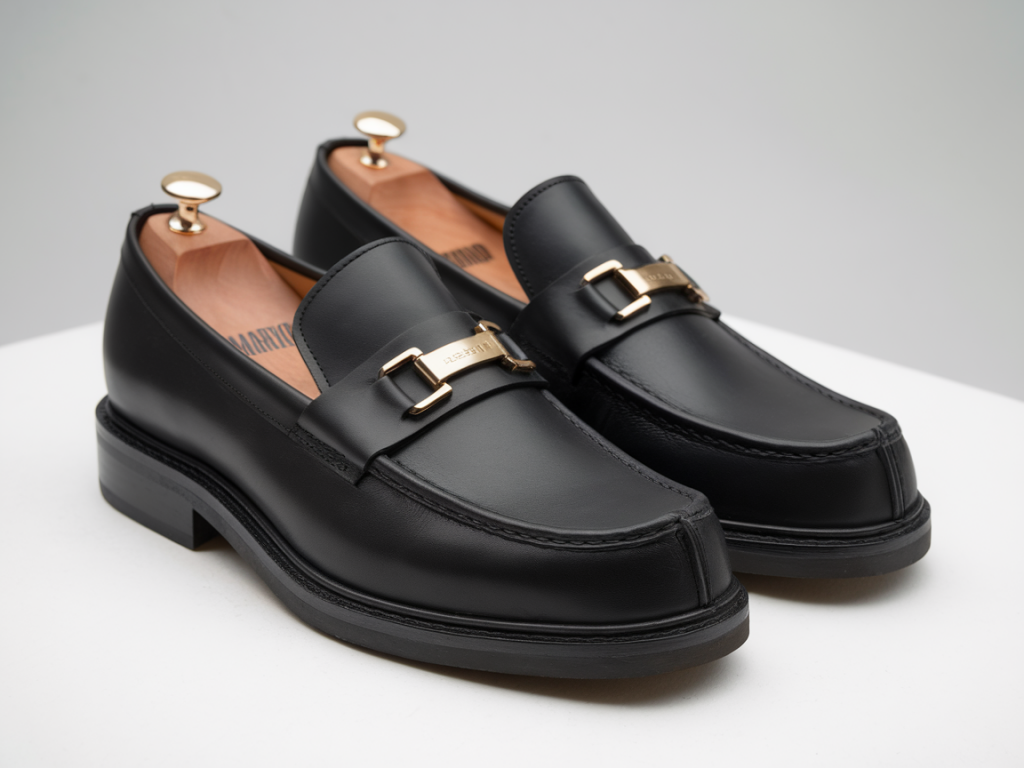
I never expected footwear to become a topic I’d write about for a drumming and gear site, but the moment I tried a pair of Italian-made height-increasing shoes I understood why so many conversations around confidence, posture and presentation land on footwear. If you’ve ever wondered about elevator shoes for men—what they feel like, how discreet they are, and whether they’re worth the investment—this piece is for you. I’ll walk you through what I learned from testing and researching Mario Bertulli’s 2–4 inch invisible systems, and why these shoes aren’t just about adding height.
What are elevator shoes for men?
Put simply, elevator shoes for men are footwear designed with an internal lift that increases the wearer’s height without being visible from the outside. The idea is to deliver a natural silhouette—no blocky-looking heels, no obvious wedges—while giving a measurable boost in stature. The best examples, like those from Mario Bertulli, use an “engineered height system” integrated into the insole and midsole so the external profile remains classy and conventional.
Why consider them? Confidence, posture and presence
As someone who spends a lot of time in front of audiences and in studios, I pay attention to how small physical changes affect performance. For many men, a discreet increase in height does more than change a number on a measuring tape: it alters posture, the way jackets sit, and how confidently you walk into a room. Mario Bertulli’s approach isn’t merely cosmetic—their internal anatomy promotes a more upright stance, which in my experience reduces slouch and improves projection (whether that projection is a solo in a rehearsal room or simply carrying yourself through a networking event).
Design and materials: why Italian leather and European craft matter
When you’re investing in shoes that affect your appearance and comfort, materials and construction matter. Mario Bertulli has focused on premium Italian leathers and European manufacturing since 1960, and that shows. The leather breathes and ages nicely, and the craftsmanship keeps the profile clean so the lift remains “invisible.” Lightweight materials and an ergonomic fit mean you don’t feel like you’re lugging extra weight around—important if you’re on stage or standing through long sessions.
What the “engineered height system” actually does
The phrase sounds technical because it is. Rather than stacking obvious layers, these systems are carefully built into the shoe’s anatomy. From my hands-on time, the benefits are:
How they compare to alternatives
There are cheaper inserts and DIY wedges on the market, but they often compromise comfort and look. I’ve tried generic gel lifts, and while they increase height, they can shift inside the shoe and create pressure points. Mario Bertulli’s system is integrated and tested for stability and feel—more akin to a professional-grade piece of gear than a quick fix.
| Feature | Mario Bertulli elevator shoes | Generic inserts |
|---|---|---|
| Visibility | Invisible | Often visible or alters shoe profile |
| Comfort | Ergonomic, all-day | Can cause pressure and movement |
| Durability | High (Italian leather, European craft) | Low–medium |
| Posture support | Built-in anatomical support | Minimal |
Choosing the right height: 2in, 3in or 4in?
Height selection is personal. I suggest thinking of the lift like a camera setting: small adjustments can change the whole framing of a shot. For everyday wear, many prefer 2 inches—it’s subtle and feels natural. A 3-inch lift gives a noticeable difference while maintaining proportion for most body types. Four inches is dramatic and best for specific outfits or events where you want a clear change. Try wearing the chosen height for a few hours at home first to ensure your gait and balance feel comfortable.
Style range: from formal to casual
One of the strengths of high-end elevator shoes is the variety. Mario Bertulli offers formal oxfords and derbies that look right under a suit, as well as boots and modern sneakers that pair with casual wardrobes. As someone who values versatility in gear, I appreciate having options that work for a gala and an off-day rehearsal alike. The external styling remains contemporary and avoids the “shoe that’s trying too hard” vibe.
Fit and sizing tips
Because the internal construction changes the internal volume slightly, it’s important to get sizing right. My recommendations:
Care and longevity
Proper care extends the life of any quality shoe. For leather elevator shoes, keep them away from direct heat, use a shoe tree to maintain shape, condition the leather periodically, and rotate pairs if you wear them daily. The internal lift is protected by the shoe’s construction, but keeping the outer materials healthy ensures the whole system performs well over years.
Who should consider elevator shoes for men?
If you care about presence—whether onstage, at meetings, or just in social life—elevator shoes can be a subtle tool to enhance how you present yourself. They’re particularly relevant for performers, speakers, and professionals who want a discreet advantage without resorting to obvious fashion tricks. Given my background in gear evaluation, I see them like a quality piece of equipment: when designed well, they integrate seamlessly and deliver reliable performance.
If you’re curious, try a reputable maker with a good return policy and customer service so you can test the shoes in your own life. Brands with long experience—Mario Bertulli among them—offer that reassurance: decades of refinement, premium materials, and a focus on discreet engineering rather than gimmicks.