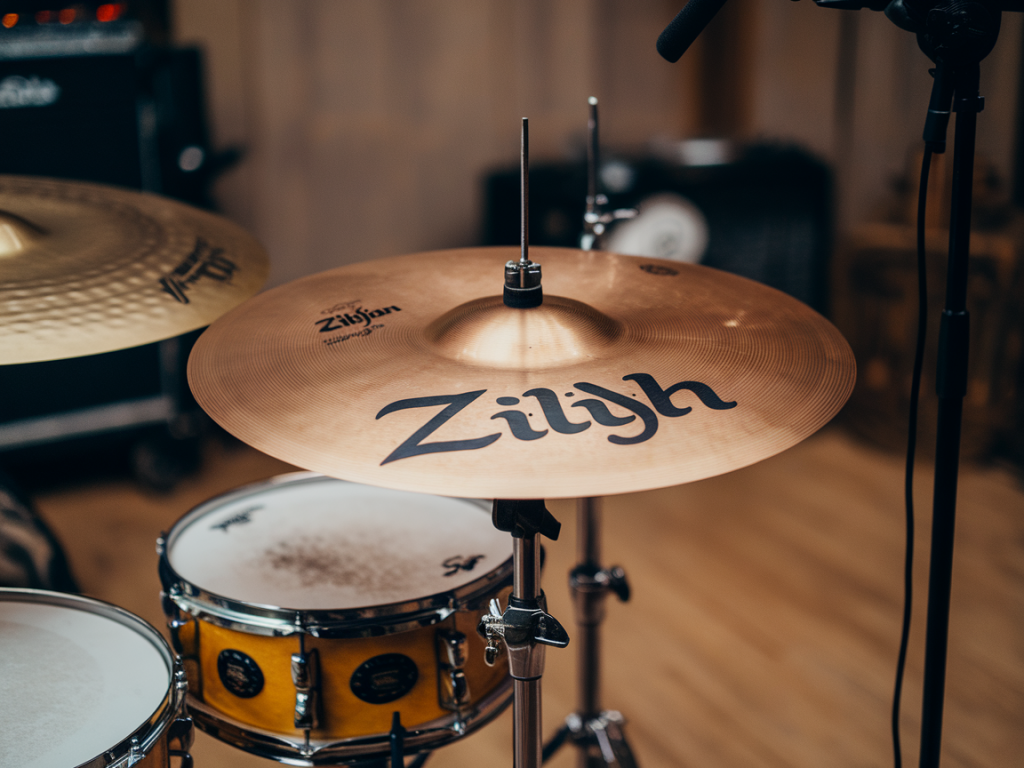
I’ve spent a long time chasing a bigger, fuller hi-hat sound without emptying my bank account or swapping entire kits. Over the years I’ve learned that small, inexpensive tweaks — some bought, some DIY — can turn a thin, tinny hi-hat into something that sits in a mix and feels great under the sticks. Below I’m sharing the practical options I actually use in rehearsal rooms and studios, how they change the sound, and quick tips for choosing what to try first.
Why thin hi-hats happen (so you know what you’re fixing)
Thin or brittle hi-hat tones come from a few common causes:
- Size and alloy — cheaper 14" hats or thin alloys can sound sharp and glassy.
- Mismatched pair — pairing two cymbals that weren’t designed as a set often yields a weak “chick” and thin wash.
- Wear and surface damage — dents, scratches, or worn edges kill body and overtones.
- Standing and mounting issues — too much metal-on-metal contact or improper felt/washers can choke the hat.
- Recording and mic technique — a bright-sounding mic setup can emphasize unpleasant frequencies.
Quick, cheap upgrades that actually work
These are the low-cost changes I try first — minimal fuss, max payoff.
- Swap the top or bottom cymbal — Often one simple swap transforms the pair. Try a thinner top with a heavier bottom or vice versa. I’ve rescued several thin pairs by replacing the top with a darker used Zildjian A or a Meinl Byzance top and leaving an inexpensive bottom to cut cost.
- Add rivets or use sizzler chains — Rivets add controlled sizzle and sustain; a cheap cymbal sizzler or even a small chain draped across the bells can thicken the sound. Brands like Meinl make affordable sizzlers; you can also repurpose a short bicycle chain for a gritty effect.
- Dampen selectively — A strip of gaffer tape, a few dots of Blue Tac, or small adhesive felts near the bell quickly remove harsh overtones. I prefer removable solutions so I can experiment in minutes without committing.
- Change the clutch/felt setup — Use thinner or thicker felts, add an extra washer (or remove one), and make sure the top cymbal can tilt slightly. Proper spacing gives a more defined chick and fuller open sound.
- Try a different hi-hat stand/pedal — A sticky or loose pedal changes articulation. Upgrading worn clutches or using a stand with smoother action (even budget models with a good used clutch) improves control and sound consistency.
- Clean and polish sensibly — Dirt and grime kill sustain. A quick clean with cymbal cleaner can restore clarity; don’t over-polish if you like darker tones.
DIY tricks that sound expensive
When I need results but don’t want to buy new cymbals, these DIY ideas are my go-tos:
- Washer muffler — Place a small metal or rubber washer on the post under the top cymbal to change the contact point and add a subtle choke.
- Adhesive felt patches — Cut felt from an old pad and stick small pieces on top cymbal inner surface to dampen shrill high-end while keeping stick articulation.
- Chain or beads — Short sections of chain or a line of metal beads across the bell create a vintage sizzle. Secure them with tape or a zip-tie for rehearsal use.
- Vintage bottom for body — Scavenge a used thicker bottom cymbal (often cheap second-hand) and pair it with your existing top. The mismatch can produce a darker, more musical sound than two thin matching budget hats.
Recording tips to make thin hats sound better on tracks
Sometimes the cymbals are fine acoustically but sound thin in the mix. Small mic and processing changes can rescue them:
- Move the overheads slightly back — Bringing pair mics a few inches away reduces harsh transients and adds body.
- High-pass thoughtfully — Don’t HPF too aggressively; you’ll strip the body out. Try 200–300Hz for room mics only, keep overheads starting lower.
- De-ess or notch surgical resonance — If the hats have an annoying frequency, a narrow notch EQ can tame it without killing the overall brightness.
- Parallel processing — Blend a subtly compressed duplicate (multiband usually) back in to add weight and control without losing sparkle.
What to buy on a budget — practical product suggestions
If you decide to purchase, these options are inexpensive and reliable for upgrading hats:
- Used A or B-stock Zildjians and Sabians — often found at good prices and add musical midrange.
- Meinl Byzance Dark used top — darker, fuller top cymbal that pairs well with brighter bottoms.
- Cheap sizzler chains / Meinl Cymbal Chains — quick sizzle without drilling.
- Generic cymbal felts and clutches — inexpensive and make a big difference in feel.
Comparison table: cost vs. impact vs. reversibility
| Mod | Approx cost | Impact on sound | Reversible? |
|---|---|---|---|
| Swap top/bottom (used) | £20–£120 | High — can transform body and chick | Yes |
| Rivets / sizzler | £5–£30 | Medium — adds sustain and texture | Yes |
| Dampening (tape/Blue Tac) | £0–£5 | Medium — cuts harsh overtones | Yes |
| Felt/clutch changes | £5–£25 | Medium — improves articulation | Yes |
| Cleaning/polish | £5–£15 | Low–Medium — restores clarity | Mostly |
| Stand/pedal upgrade | £30–£150 | Medium — better control and consistency | Yes |
How I decide which fix to try first
I usually follow a simple checklist:
- Is the problem physical? (dents, bad mount) — fix it first.
- Can I test a swap quickly? Try a different top or bottom before buying anything new.
- Is the harshness frequency-specific? Use damping or EQ first.
- Do I need a permanent change? If not, start with reversible DIY options (tape, chains, extra felts).
Cheap upgrades aren’t about faking a high-end cymbal — they’re about getting the best musical result from what you’ve already got. Often a small, temporary mod will make your hi-hats not only sound better but inspire better playing because the feel under your sticks improves. Try one or two of these ideas, listen critically, and keep what helps the music; the rest can go back in the kit bag.